- Key Takeaways
- The New Smyrna Beach Reality
- Why Choose Ceramic Coatings?
- Beyond Your Car
- The Local Process
- Your Coating’s Lifespan
- The NSB Investment
- Conclusion
- Frequently Asked Questions
- What is a ceramic coating and how does it protect my car in New Smyrna Beach?
- How long will a professional ceramic coating last here?
- Will a ceramic coating prevent sanding, chips, or rust from Florida salt air?
- How should I maintain my coated vehicle on the coast?
- Is professional installation necessary in New Smyrna Beach?
- Will ceramic coating make my car easier to sell in NSB?
- Can ceramic coatings be applied to boats and other outdoor gear in New Smyrna Beach?
Key Takeaways
- By creating a chemical shield that repels salt spray, humidity, and UV rays, ceramic coatings offer focused protection from New Smyrna Beach environmental pressures. They combat corrosion and paint deterioration on cars, boats, and exterior materials.
- Our ceramic coatings minimize sand abrasion and micro-scratches from beach access roads and surf activities by enhancing surface hardness and hydrophobicity. This results in less noticeable wear when you load boards or park near shore.
- We apply ceramic coatings the right way with a licensed local process that involves detailed inspection, paint correction, multi-layer coating application and controlled curing tailored to Volusia County humidity and temperature to ensure warranty and optimal longevity.
- Routine aftercare is essential. Hand washing with pH-neutral products, avoiding abrasive automated washes, rinsing off salt and sand after beach trips, and scheduling annual professional inspections or booster top-ups help maintain protection.
- Benefits extend beyond cars to boats, RVs, motorcycles, trailers, and home exteriors, featuring easier cleanability, preserved gloss, and reduced long-term maintenance costs for New Smyrna Beach’s coastal lifestyle.
- Quality ceramic coating provides a return you can quantify through lower repainting and detailing costs, increased resale attractiveness, and trusted defense against New Smyrna Beach, FL’s unique coastal conditions.
Ceramic coatings in New Smyrna Beach, FL are a liquid polymer that is applied to your vehicle’s paint to protect it from salt, sun, and sand. Local installers employ silica-based formulas that adhere to clear coat and reduce surface oxidation by as much as 70 percent while facilitating cleaning.
Coatings stand up to UV fade and salt spray typical on the Atlantic coast and last one to five years depending on care and product. The rest discuss choice and local touch-up advice.
The New Smyrna Beach Reality
New Smyrna Beach is a world built around water and that defines how cars rust and what kind of protection they require. Cars in this town deal with non-stop salt air, extreme humidity and UV rays that deteriorate clearcoat and fade paint. Scorching summers and downpours accelerate oxidation and water spotting, while twilight cruises deliver extra marsh bug splatter that etches in soft finishes.
Ceramic coatings in New Smyrna Beach, FL, become a pragmatic reaction to these constant stressors. Salt and sand wear a car’s front first. The hood, front bumper, fenders, mirrors, rocker panels, and lower doors bear the brunt of road spray and coastal residue. Sand blown off the beach is like fine sandpaper and grit.
It is kicked up on beach access roads and chips and scratches the clearcoat. Ceramic coatings add a hard, hydrophobic top layer that helps resist micro-abrasions and makes grit less likely to bite into paint. These coatings are invaluable for surf-centric lineups where boards and wax migrate near paintwork.
Outdoor parking is the norm here, and plenty of residents don’t have a full garage. Cars left outside all day suffer UV-driven fade and the gradual accumulation of salt and grit. Ceramic coatings form easy-clean surfaces so salt and bird or bug deposits rinse off sooner in a rinse or light pressure wash.
That cuts down the maintenance hours and chemicals, which is important when balancing work, study or early-career grind with a hectic coastal existence. Surf trips and beach action days add surface wear in all the usual, expected ways. Tossing surfboards in and out of the car can scrape side panels and rub door edges.
Wet gear drips salty drops that dry into deposits. Ceramic coatings don’t prevent all mechanical dings, but they do reduce friction and protect against staining from repeated contact with wet, sandy objects. For those who prefer a clean look without the everyday upkeep, coatings supply a durable foundation that maintains a car looking newer between professional washings.
This unique driving landscape brings up maintenance actions. To the New Smyrna Beach reality, frequent fresh-water rinses after beach runs, weekly mild soap washes, and occasional clay barring prior to any reapplication of protection prolong coating life. Select coatings rated for high-level UV resistance and hydrophobicity, and safeguard high-friction zones with light paint protection film in areas where chips are inevitable.
For us in New Smyrna Beach, ceramic coatings aren’t just for sh*ts and giggles, they’re a calculated, strategic component of a care regimen specifically designed for saltwater stress, sun-streaked surfboards, and an active ocean lifestyle.
Why Choose Ceramic Coatings?
These new superpowers come from ceramic coatings, which add a thin, hard, chemically bonded barrier on top of factory paint and clear coat to shield from typical coastal aggressors. In New Smyrna Beach, FL, where salt air, blazing sun, sand and humidity conspire together, that invisible film alters how a vehicle weathers daily use and storage near marinas, waterfront homes and beach parking.
1. Saltwater Defense
Ceramic Coatings in New Smyrna Beach, FL shield vehicle surfaces from airborne salt particles and salty breezes that hit cars, trucks, motorcycles, and boats near the coast. The coating forms a barrier that limits direct contact between salt and metal or painted surfaces, which helps prevent the electrochemical reactions that start corrosion and leave brown stains and pits.
Metal trim, bumpers, and undercarriages get extra benefit because the coating slows moisture adhesion and reduces the rate at which rust progresses on exposed steel and fasteners. For owners who park near marinas or keep vehicles on trailer racks, a ceramic layer keeps surfaces cleaner and delays visible discoloration even when rinse cycles are irregular.
2. Sun Shield
They block the harmful UV rays that fade and chalk paint in the Florida sun, so color and gloss hold up longer than you would expect from a car that’s parked outdoors every single day. The coatings absorb and reflect some UV energy, which reduces breakdown of binders in clear coats and prevents paint, vinyl, or plastic trim from peeling or cracking.
Cars at open lots or surf breaks, or left on the street, maintain a glossier color longer. Ceramic films’ heat resistance reduces stress on coatings during heatwaves, helping preserve both shine and material integrity.
3. Sand Resistance
Sand abrasion and micro-scratches from coastal roads and beach parking erode surfaces, albeit gradually, not invisibly. A ceramic barrier is harder and more scratch resistant than bare clear coat, so wind-blown grit and gear-loading beat-up has less effect on finish.
Rocker panels, lower doors and glass see less micro-marring from boards, coolers and sand-laden feet. That translates to reduced compounding damage and less polishing to eliminate micro-marring.
4. Effortless Cleaning
Hydrophobic, so washing is easier because it repels water, dirt, bugs, and road spray. Contaminants do not bond as tightly to paint. Cleaning time decreases and the frequent waxing disappears, conserving time for busy students and young professionals with packed schedules.
Stains come off with gentler soap and less elbow grease for boaters and RV owners.
5. Lasting Gloss
Coatings provide a deep mirror shine that maintains showroom-newness and resists humid heat, rain, and salt air. They revive and retain color on faded paint and assist with resale value by maintaining exterior condition strong over time.
In New Smyrna Beach, FL, that gloss persists after sun and surf exposure.
Beyond Your Car
New Smyrna Beach drivers park outdoors a great deal, and that local habit influences the application of ceramic coatings to extend beyond the traditional auto realm. Ceramic Coatings New Smyrna Beach, FL covers so much more than your car! Here are obvious, technical and actionable methods of using coatings beyond the usual car body to reduce upkeep, resist rust and maintain shine.
Marine Protection
Ceramic coatings on boat hulls, decks, and gel coats will create a hydrophobic, chemically resistant layer of protection that prevents saltwater absorption and restricts algae adhesion. On hulls, a well-cured ceramic layer reduces surface energy so barnacles and slime do not have as much to hold on to.
For your yachts, pontoons, and PWCs, this results in fewer scrubs at the dock and quicker washdowns following a day at Ponce Inlet or the ICW. Handle decks and non-skid areas with a customized formulation to prevent slipperiness while still providing UV and salt water resistance.
Technicians may apply different primers for gel coat versus painted aluminum. Coatings provide added durability against micro-abrasion from sand and suspended particles and preserve gel-coat gloss for boats on fishing charters, sunset cruises, or family outings in Volusia County.
Marina-based vessels that sit in slips or tie-ups gain practical benefit. They experience less fouling, lower chemical cleaning needs, and longer service intervals for topside refinish work. Maintenance cadence decreases since water beads and drags off debris quicker.
That saves time rinsing surf residue from a day at Smyrna Dunes Park. For owners who tow boats down local roads, shielding the unguarded stern and hardware from road spray and beachfront residue is particularly beneficial.
Home Defense
Protect against salt haze and moisture with ceramic coatings on outside glass, metal trims and painted doors. Used on patio glass and sliding doors, coatings minimize salt film accumulation and help rinses work better, especially where condos and beachside restaurants keep glass open for extended hours.
Outdoor furniture, awnings and garage doors receive UV-stable finishes to help prevent fading and discoloring from the prolonged sun exposure typical in the area. Sealing concrete patios and driveway pavers results in a stain resistant surface that isn’t embedded with sand and oil.
Washing is a light pressure washing instead of heavy scrubbing. For coastal neighborhood homeowners, maintaining door edges, frames, and garage trim sealed maintains appearance and can increase curb appeal, which is important for seaside community property value.
Protective options should correlate with substrate and climate exposure. A professional inspection reveals porous materials that require primer or additional coats.
The Local Process
Our local process for Ceramic Coatings New Smyrna Beach, FL starts with a brief introduction of the process our technicians take to defend vehicles against coastal aggressors and the daily grind.
Consultation
A comprehensive evaluation records vehicle make, model, paint thickness, and current imperfections to establish achievable objectives. Technicians inquire about the owner’s lifestyle, parking location (garage, street, or near beach access), and how frequently the car encounters salt air or sand to tailor protection to use.
They explain options such as ceramic coatings for long-term hydrophobic protection or premium paint protection film for high-impact zones. It provides a simple explanation of each stage so owners know what to expect.
Preparation
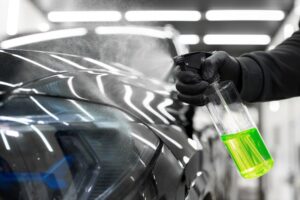
The Local Process of Technicians begins with an outside pre-rinse to clear away the loose salt and grit that is so prevalent around New Smyrna Beach. After that, it’s a full wash, then clay bar treatment and paint correction where swirl marks or light scratches are encountered.
It strips existing wax and contaminants to promote coating adhesion. Sensitive areas are masked, and glass, trim, and upholstery are covered to prevent overspray. Inspectors mark previous repairs, do touch-ups or body work that may affect curing or bond, and mention it in the estimate.
- Step-by-step process for application:
- Pre-rinse to wash off salt, sand, and loose debris.
- Complete scrub with pH-balanced soap and sanitization.
- Clay bar and paint correction as needed.
- Mask glass, trim, seals, and interior openings.
- First ceramic coating layer – apply with calculated strokes.
- Give flash time, then buff and add more coats.
- Final inspection and soft cure in controlled environment.
- Maintenance plan and homeowner care.
Application
Technicians spray several light coats over paint, vinyl, headlights and metal to develop resilient protection. They concentrate additional layers on impact zones, such as the front bumper, rocker panels, mirrors and rear bumper, where salt, sand and road debris strike first.
Application targets uniform, streak-free coverage with metered doses and cotton or microfiber applicators. It uses advanced tools and formulas to enhance hardness and shine and lower surface tension so salt and grit wash off easier.
Curing
It’s cured in a bond with the paint under specific circumstances. Owners are told to stay away from water, washing, or outdoor exposure during that cure window. Techs keep an eye on temperature and humidity, and Florida’s heat and humidity means they’ve got to time that just right.
After cure confirmation, vehicles return to use with a maintenance plan: biweekly rinses, monthly rinse-less washes, and quarterly inspections to catch salt build-up on seals, chrome, and underbody. Mobile detailing appointments are 2 to 3 hours for showroom-level service based on vehicle size.
Ceramic coatings minimize waxing and maintain resale value.
Your Coating’s Lifespan
Your Coating’s Life
Ceramic Coatings New Smyrna Beach, FL – Sun, salt and sand bombard your boat, altering its life expectancy. Lifespan varies by product: some spray wax coatings last only a few weeks, many professional-grade coatings run three to five years, and select seven-year systems are available.
Environmental exposure, installer prep and owner maintenance all combine to determine real-world durability. Adhere to local aftercare instructions diligently to receive those guaranteed protection years and maintain warranty validity.
Proper Washing
- Rinse first: Use a hose or pressure washer at low pressure to remove loose sand and salt before touching paint. This reduces grit that may scratch the coating.
- Two-bucket wash: One bucket with soap, one with clean rinse water. Simply apply with a soft microfiber mitt specific to the coated car to prevent cross-contamination.
- pH-neutral shampoo: Choose a soap designed for ceramic-coated cars. Avoid strong degreasers and high-alkaline cleaners that can strip boosters.
- Dry with microfiber towels: Pat and drag-dry methods reduce swirl marks. Avoid household towels.
- Avoid automatic car washes. Machines with abrasive brushes can abrade the protective layer and speed wear.
- Spot rinse after beach trips: Salt and sand accelerate corrosion and wear. Rinse within hours of contact.
- Periodic booster: Apply a ceramic booster spray or wax detail every few months to restore hydrophobic properties and shine. Follow product directions regarding cure time.
- Clay and polish precautions: If contamination is heavy, clay lightly using a clay lubricant safe for coatings. Avoid aggressive compounding unless done by a pro.
Annual Checkups
Arrange an annual inspection with a certified local installer to test coating integrity and hydrophobic performance. They can identify thin spots, micro-scratches or bead effect loss and recommend if a top-up layer or spot recoat is necessary.
High-impact areas — front bumper, hood, lower rocker panels — often need spot treatment sooner. Coastal living raises the risk. Intense UV, salt air, and frequent moisture speed chemical and mechanical breakdown, so assess those zones more often.
Keep records: Document every wash, booster, and professional visit to maintain warranty and show proper care. Should you observe diminished water beading, dullness or staining that cannot be lifted with approved cleansing, have it professionally inspected without delay.
What and when: If a coating shows early wear within weeks, it may be a spray wax or misapplied product. Three to five year and seven year coatings need maintenance records to satisfy lifespan claims. Others have ‘N/A’ for lifespan. Assume those unknown and check more frequently.
The NSB Investment
The NSB PPF and coatings investment is smart for anyone who stores a vehicle, boat, or beach house in New Smyrna Beach, Florida. Cars around here get salt air, sand, UV rays, bug splatters, and lots of open parking. That combo accelerates paint wear, creates chips, and mutes finish.
NSB Investment: Ceramic Coatings in New Smyrna Beach, FL collaborates with PPF to reduce maintenance and prolong beauty life. Long term savings are in less paint corrections, waxings and repairs. A properly applied PPF and ceramic top coat reduces the requirement for clay bars, compound polishing and monthly wax.
Over a five to ten year ownership period, owners typically experience savings that swamp the upfront cost as small chips and clearcoat touch-ups become a thing of the past. Protecting the hood, front bumper and fenders prevents repeated repainting of those high-impact areas, saving hundreds to thousands of dollars over time.
Resale and curb appeal increase when paint is maintained. Florida buyers expect sleek, shiny finishes with minimal sun damage or salt stain. Ceramic coatings in NSB, FL have gloss and hydrophobic properties that keep cars and boats looking newer longer.
For houses, protective coatings on metal railings, gutters, or marina trailers minimize the appearance of rust and maintain curb appeal when you sell or rent. Peace of mind that your investment is protected from harsh coastal elements. Salt air is relentless and encourages corrosion.
PPF is a sacrificial, replaceable layer that absorbs the impact while ceramic coatings add an additional defense against oxidation and UV fading. The coastline and marsh surrounding NSB results in more bug splatter when driving during warm months and at night.
PPF resists staining and facilitates bug removal without harsh scrubbing that can remove clearcoat. Be proud to wear the only gear that remains show-ready in Florida’s beach lifestyle. Focus protection on the most exposed panels: hood, front bumper, fenders, side mirrors, rocker panels, door edges, door cups, and rear bumper.
Those types of regions get road spray and coastal residue and the everyday holding of junk. For boats, focus on gelcoat leading edges and swim platforms. Pair full-front PPF coverage with a ceramic sealant for a balance of durability and shine.
How to start: Get a local NSB installer with warranty-backed film, verify ceramic coating compatibility, and plan staged installs. Start with the front first, then proceed to full coverage if budget limits exist.
Conclusion
Ceramic coating New Smyrna Beach FL It just adds up. Hot sun, salty air and sand on paint easy come, easy go. The best ceramic coatings in New Smyrna Beach, FL. A premium ceramic coating reduces fading, reduces wash time and keeps your car dazzling on the mainland and by the inlet. Area ceramic coatings New Smyrna Beach, FL work performed in controlled bays, industry-grade products, and a Florida-friendly post-care plan. Simple examples include avoiding daily hand washes to save the layer, parking under a carport to slow UV fade, and booking a yearly check to catch wear early. Prepared to defend your drive in NSB! Contact a reliable local detailer and schedule a quote now.
Frequently Asked Questions
What is a ceramic coating and how does it protect my car in New Smyrna Beach?
A ceramic coating is a liquid polymer that chemically bonds to the paint. It forms a hydrophobic, UV-resistant barrier that deflects salt spray, sand, bird droppings, and sun exposure in New Smyrna Beach.
How long will a professional ceramic coating last here?
Standard pro ceramic coatings have a 2 to 7 year lifespan based on product quality, prep work, and geographic conditions such as salt air and UV. Taking care of it extends its life.
Will a ceramic coating prevent sanding, chips, or rust from Florida salt air?
No. Ceramic coatings resist stains and corrosion, but they do not stop rock chips or heavy scratches. They can decelerate rusting from salt exposure when paired with solid care.
How should I maintain my coated vehicle on the coast?
Wash once every 1 to 2 weeks with pH-neutral soap. After beach drives, rinse salt off and use microfiber towels. Steer clear of automatic brushes and use recommended top-up sprays as suggested by the installer.
Is professional installation necessary in New Smyrna Beach?
Yes. It all starts with proper paint correction and surface prep. Local installers select products that are designed specifically for coastal UV and salt conditions for optimal performance and warranty coverage.
Will ceramic coating make my car easier to sell in NSB?
Most of the time, yes. A good coating maintains paint gloss and minimizes visible wear. Coastal buyers appreciate maintained exterior condition and verifiable professional application.
Can ceramic coatings be applied to boats and other outdoor gear in New Smyrna Beach?
Yes. Ceramic coatings on gelcoat, aluminum, wheels, glass and trim. Employ marine-grade formulas and expert application for extended defense from sun and salt.