-
- Key Takeaways
- The NSB Environment
- Choosing Your Shield
- The Local Process
- Beyond Sun and Salt
- Preserving Value
- Long-Term Maintenance
- Conclusion
- Frequently Asked Questions
- What makes ceramic coatings important for vehicles in New Smyrna Beach, FL?
- How long do professional ceramic coatings last in a coastal climate?
- Can I apply a ceramic coating myself or should I use a local shop in NSB?
- How much does a ceramic coating cost in New Smyrna Beach?
- What maintenance does a ceramic-coated car need in this area?
- Will a ceramic coating prevent rock chips and scratches from beach driving?
- How do I choose the best ceramic coating provider in New Smyrna Beach?
Key Takeaways
- New Smyrna Beach coastal conditions speed up paint and metal degradation, so select ceramic coatings designed for salt, sand, humidity, and intense UV rays to protect cars and vessels.
- Ensure technician experience and product quality by choosing certified detailers with manufacturer-backed ceramic formulas who conduct proper paint correction and surface prep.
- Make sure it is applied in a controlled or shaded environment with panel inspection, paint depth readings, and contamination control to optimize bond strength and warranty coverage.
- Develop a habit of regular exterior washes, seasonal inspections, and professional cleanings to eliminate sand, lovebug residue, bird droppings, and brackish water stains before they etch.
- Think bundled, customized packages that feature hydrophobic ceramic layers, window tinting, PPF options, and mobile detailing for the ultimate convenience of on-location service at your home, marina, or workplace.
- Record every treatment, hold onto warranty documentation and sign up for local maintenance plans to preserve resale value and secure long-term performance in NSB’s coastal conditions.
Best ceramic coatings in New Smyrna Beach, FL (NSB) are professional-grade protective finishes that chemically bond to paint and trim to resist salt, sun, and road grime.
Local shops provide hard-coat systems with hydrophobic properties, UV blockers, and coastally durable gloss ratings. Packages typically contain surface prep, warranty tiers, and routine maintenance plans.
The guide below pits products, shop reputations, and wallet-friendly options against each other for NSB motorists.
The NSB Environment
New Smyrna Beach’s coastal environment exposes vehicles and boats to a combination of salt, sand, sun, bugs, and moisture that erodes finishes more rapidly than inland climates. Coastal parking, surf trips, and beach access lead to paint and trim experiencing sand abrasion, salt spray, and extended sun exposure.
Protective systems that prevent corrosion, UV fade, and grit are key to holding value and appearance.
Salt Air Corrosion
Salt-laden breezes and ocean spray speed up rust and corrosion on bare metal and through paint micro-channels, attacking edges like rocker panels, door cups, mirrors, bumpers, and undercarriage fast. Ceramic coatings create a dense, chemically inert layer that reduces electrolyte contact and slows electrochemical corrosion, preserving metal and painted surfaces over time.
Application Method Ease of Application Durability vs. Saltwater Typical Use Spray-on ceramic sealant Easy Low–Moderate Quick top-up protection between details Professional nano-ceramic coating (curing) Difficult — shop only High Long-term protection for full vehicles/boats DIY brush/hand-applied kits Moderate Moderate Budget option with mixed results Regular ceramic detailing sessions help remove trapped salt before it moves under trim or finds scratches, slowing corrosive damage in the NSB coastal environment.
Intense UV Damage
Florida’s intense UV index fades pigments and tarnishes clearcoat, particularly on cars and boats parked for extended periods at condos, marinas or surf lots. Ceramic coatings feature UV blockers and hard, quartz-like layers that retain gloss and color depth longer than wax or polymer sealants.
Window tinting provides that extra layer of protection, shielding interiors, dashes and glass from UV fading and heat buildup.
Feature Ceramic Layer Traditional Wax UV protection High Low Longevity (months) 24–60+ 1–6 Gloss retention Strong Weak Abrasive Beach Sand
Fine sand carried in from beach access roads and sandy parking lots is extremely abrasive and when applied to the car leaves swirl marks and dull spots on paint. Ceramic coatings harden surfaces and decrease grit adhesion, so the abrasive particles are easier to sweep off during a wash.
A weekly exterior wash and iron decontamination washes off grit before it scars the clearcoat. Mobile detailing ceramic NSB is convenient too; they deliver decontamination and top-up protection to your condos, marinas, and surf spots so you don’t have to make that long drive home after a sandy day.
High Humidity Effects
NSB mildew, mold and high humidity inside cars without garage cover. Hydrophobic ceramic layers repel moisture, minimize water spotting and dry quicker after coastal dew or rain.
Combine ceramic protection with interior cleaning and mold mitigation to keep cabins fresh and do quarterly inspections to detect hidden moisture problems early.
Choosing Your Shield
Picking your armor for a ride in New Smyrna Beach is a calculated consideration of strength, scope, and local dynamics. Compare options for duration, coverage of your car, and resistance to salt air, sand, UV, and coastal pollutants. Ask NSB-certified technicians for suggestions based on your driving habits, parking locations, and intended use to select YOUR shield.
Here’s a table to compare top ceramic NSB companies and their services so you can view side-by-side differences in price, warranty, and prep work.
1. Technician Expertise
Pick detailers who have IDA certifications and a history of coastal work. Paint correction, panel inspection, and surface prep are all precision operations, and sloppy prep doesn’t just compromise coating adhesion; it drastically reduces lifespan.
Professional-grade compounds and calibrated polish steps generate an even gloss and eliminate any defects that would otherwise bleed through any ceramic coating. Seek out technicians who record mileage, panel history, and use paint meters. These are clear indicators that they address coatings as a science.
Mobile detailers that bring regulated equipment on site provide schedule freedom and minimize the danger of transporting an already-prepped car.
2. Product Authenticity
Confirm true ceramic formulas and grade of coatings from local providers before you pay. Look for items with demonstrated term toughness and maker-backed guarantees that mention exceptions for seaside use or chemical depletion.
Cheap sealants and store-bought blends do not hold up to NSB’s sun and salt, leaving patchy gloss and premature wear. Request a written materials list and the precise ceramic parts in packages so you can compare apples to apples and check manufacturer spec sheets.
3. Application Environment
Make sure you’re applying in a controlled environment or at least in the shade, dust-free zone to prevent impurities from getting into the cure. For mobile work, technicians should employ portable polishers, balanced cleaners, and dust-control techniques so outdoor work matches shop quality.
Check ambient temperature and humidity because these impact cure times. Shield new cars from wind-driven sand, coastal residue, and pollen in the first 24 to 72 hours.
4. Warranty Specifics
Consider warranty terms for protection against coastal erosion, fading, and abrasion. Some warranties do not cover salt corrosion. Verify if maintenance programs and periodic inspections are included in the deal.
Compare lengths and conditions among local providers and document every detail of the application, from batch numbers to technician notes, to support future claims.
5. Tailored Packages
Select packages tailored to vehicle type and usage. Daily drivers, show cars, and boats all encounter different stressors. Add-ons such as paint protection film for high-impact areas, window tint, or interior fiber restoration create a complete shield strategy.
Inquire about maintenance plans, priority scheduling, and bundled savings. List services for a convenient comparison across providers.
The Local Process
Best Ceramic Coatings NSB’s local process starts with a game plan that accommodates coastal living and seasonal peaks. Appointments are frequently booked around weekends, marina schedules and seasonal rushes so work wraps up before travel or heavy weather. Mobile teams schedule with owners to meet at home, the marina or the office and time is estimated based on vehicle size and selected package since mobile detailing can extend to hours or days.
Exterior wash begins the work and employs expert rinse systems and safe cleaners that eradicate loose sand, salt film and surface grime without damaging paint or trim. Next, clay decontamination strips embedded particles that a wash can’t get free. Technicians perform panel inspection and paint depth readings prior to any correction.
These readings indicate how much clear coat remains and help direct if aggressive polishing is safe. Panel checks uncover rust, chips or thin clear impacting both process and warranty. Paint correction is severity staged. Light marring requires a dual action polisher and fine polish.
Deeper swirl marks require more aggressive compound and multiple passes. We want to leave a consistent surface prepared for adhesion. Technicians test small areas and record results so clients get the before-and-after. After correction, the surface receives a final solvent wipe to clean oils and polish residues.
Ceramic Application utilizes coast-rated ceramic formulations and periodically marine-grade sealants for vehicles stored near salt air. Product choice depends on client needs. Packages range from basic guard, which gives hydrophobic protection, to showroom finish with advanced fillers, and total rejuvenation that includes multi-stage correction and the strongest coatings.
Application is done in controlled temperatures and dust-free conditions, so mobile setups often utilize tents or the client’s garage to achieve those situations. Curing according to manufacturer specs is crucial. Certain coatings flash and level in minutes but require 24 to 72 hours for initial cure and up to a week to achieve full chemical strength.
We have yearly inspections to check coating condition and plan maintenance. Regular upkeep is essential in NSB. Biweekly rinses and monthly rinse-less washes help remove salt build-up, reduce abrasion from sand, and maintain gloss. Techs recommend safe soaps and recoat schedules.
Ceramic coatings provide the longest protection, though life expectancy depends on climate, vehicle use and maintenance. In New Smyrna Beach, our local process tailors products and timing to salt, sand and UV exposure for optimal protection.
Beyond Sun and Salt
Coastal exposure in New Smyrna Beach delivers more than UV, salt, and sand. Organic gunk, chemical runoff from roads and marinas, bug splatter, bird droppings, and brackish water all layer risk on paint, clearcoat, and trim. Ceramic coatings and marine-grade sealants provide a thickness that defies corrosive salt air and UV-blown fade, but they alter the dynamics of how dirt reacts to a surface.
Everyday washing and spot treatment are still necessary to retain that shield and avoid etching or corrosion for the long haul.
Lovebug Season
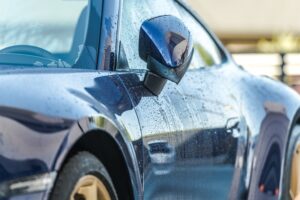
Best Ceramic Coatings in New Smyrna Beach, FL (NSB) Lovebug residue is mildly acidic and sits on horizontal panels after a run through town or a coastal drive, especially during peak mating months. If left, the residue can etch clearcoat and paint, producing stains that buffing alone may not remove. A proper ceramic coating makes the surface slick, so splatter tends to bead and wipe off with less risk of staining.
Coatings do not make surfaces invincible but they lower adhesion and slow chemical attack. Increase exterior washes during peak lovebug times. Short, frequent rinses prevent buildup and reduce the need for abrasive cleaning. For stubborn spots that have dried in, mobile detailing services in NSB can respond quickly and use pH-safe solvents to lift residues without harming the coating.
Coastal Bird Droppings
Bird doo is acidic and if it’s left on the finish, it actually eats right through clearcoat, particularly on the hoods and roof areas that are fully exposed to the sun. Immediate spot cleaning prevents permanent etching, so keep a sprayable, coating-safe cleaner handy in the car or boat kit for quick strikes between excursions.
Ceramic coatings form a low-surface-energy barrier that minimizes adhesion, so droppings slide off more readily and do less damage when cleaned up quickly. If your car is parked on the beach or by one of New Smyrna Beach’s many trees, expect more frequent inspections and quick cleanup after each use.
Brackish Water Stains
Brackish water from marshes and launch ramps deposits minerals that stain hulls and lower vehicle panels. Repeated exposure wears down finishes. Hydrophobic ceramic coatings minimize spotting and make rinsing more effective.
No matter what, the best approach is to rinse diligently after any brackish contact. Book a complete professional-quality exterior wash following salt or freshwater expeditions. Detailers can lay down a maintenance coat to reinstate repellency. Consider protective films on exposed lower panels or even marine-grade coatings for boats to fight salt air corrosion and preserve resale value.
Checklist to Monitor Local Hazards
Inspect daily during peak seasons. Wash after beach excursions. Haul pH-neutral cleansers. Book mobile detailers for fast solutions. Schedule professional washes after brine exposure. Watch lower panels and underbody for salt accumulation. Reapply maintenance top-coat as recommended.
Preserving Value
Ceramic coatings and PPF combine to keep a vehicle looking new, and that’s important when it’s resale or trade-in time. In NSB, where salt air, powerful UV rays and sand are ever present, our Best Ceramic Coatings in New Smyrna Beach FL preserve original gloss and finish so your car shows less wear. A preserved finish smooths dealer inspect and offer rounds, and buyers frequently pay more for a car requiring less reconditioning.
Luxury cars, fleet cars, and boats depreciate faster when their paint and trim speckles. For luxury automobiles, minor flaws leap off the page and reduce bids. For fleets, visible wear communicates sky-high lifecycle costs and damages whole groups of vehicles reselling. Boats encounter blistering, staining, and corrosion when left near the Intracoastal or Atlantic.
Marine-grade sealants and coast-rated ceramic formulations minimize electrochemical reactions and salt staining. Coating and protection: Pairing ceramic coating with paint protection film on high impact areas such as the hood, bumper, rocker panels, and bow staves off chip, UV fade, and stain depreciation.
Maintenance is continual, not one-off. Routine ceramic care includes a soft clean with pH-neutral cleaners, once-a-year inspections, and touch-up coatings here and there. This preserves the value of the protection and reduces expensive paint correction.
For local owners, an annual check post-hurricane season and another in late spring minimizes the risk of small salt damage turning into a bigger issue. By recording every maintenance event, including when, what products, and technician notes, you create a service record that buyers trust and can actually increase value.
Storage and usage decisions count. Simply by keeping a vehicle in a garage or under a covered area in NSB, you cut down on sun and salt spray exposure. When on the road, simple steps help: rinse salt from surfaces after coastal trips, use a car cover for boats stored on trailers, and avoid parking under trees where sap and bird droppings can etch clear coat.
These habits, combined with protective films and coatings, create a value-preserving long game. Practical steps to preserve value include selecting ceramics rated for coastal use, requesting written warranties and cure periods, and maintaining a folder digitally with pre/post treatment pictures and maintenance receipts. Annual inspections identify minor problems early and save dollars later.
Long-Term Maintenance
Long-term maintenance for vehicles coated with Best Ceramic Coatings in our NSB centers around some consistent behaviors that align with coastal conditions and everyday wear. Start with a simple routine: biweekly rinses to remove salt and sand, monthly rinse-less washes for light soils, and a full exterior wash every 4 to 6 weeks using pH-neutral car shampoo.
These steps reduce the abrasive grit and salt build-up that would otherwise etch clear coat and trim. Yearly inspections are required to inspect coating integrity, search for water-spot etching, and detect minor losses in hydrophobic efficacy.
Quarterly look-sees help catch little problems before they become big ones. Check door seals, chrome, wheel wells, and underbody for salt staining and corrosion. Especially when cars park steps from the beach, parking under cover shifts the schedule.
Garage-kept cars may require less frequent deep cleanings, but they still enjoy a rinse now and then to remove in-tracked salt. For vehicles parked on beachside streets, rinse more often and schedule more frequent professional cleanings.
Sign up for a coastal maintenance plan from area detailers to continue the coating’s performance. These plans often provide quarterly or semiannual professional cleanings, tar and iron decontamination, and an annual inspection report.
Local NSB shops sometimes provide coast-rated ceramic top-ups and marine-grade sealants that diminish electrochemical reaction between salt and metal and help prevent staining on painted and plastic trim. Opt for programs that list coast-rated formulations instead of generic ceramic products.
Professional cleanings every so often and the occasional application here and there is part of long-term protection. For most of the 9H coatings in coastal application, anticipate a professional deep clean and decontamination once annually and a light booster reapplication every 2 to 3 years.
Some coast-rated formulations require boosters more frequently. Compare total lifecycle cost: calculate recurring standard wash costs and a potential repaint cycle against the price of a single professional ceramic application plus annual inspections and boosters.
Usually, the ceramic path reduces overall expense and retains resale value. Make a custom maintenance plan — mileage, parking, exposure. High-mileage commuters and beach parkers require shorter cycles.
Weekend drivers in covered parking can disperse services. Marine grade sealants on exposed metal and interior UV protectants protect against sun and sand abrasion. Good long-term maintenance means deeper gloss, less surface contamination, and higher resale value when selling in a coastal market.
Conclusion
Ceramic coating provides transparent, tested protection for vehicles in New Smyrna Beach. Coatings block salt spray, sun fade, bug acid, and sandy grit. Local shops employ multi-step prep, paint correction, and cross-link formulas that harden to protect against chips and stains. Choose a shop that provides examples of previous work, displays cure times, and provides a genuine warranty. You’re looking at a day of prep and 24 to 72 hours of cure, with touch-free washes for the first week. A great coating reduces cleaning and maintains shine for years to come. For a daily driver traveling NSB roads, a mid-range ceramic coat with annual inspections adds up. Book a consult with two shops, compare costs and cure plans, and pick the one that fits your schedule and needs.
Frequently Asked Questions
What makes ceramic coatings important for vehicles in New Smyrna Beach, FL?
Ceramic coatings apply a tough, water-repellent layer that shields paint from salt spray, UV rays, sand and bird droppings, which are prevalent in New Smyrna Beach. They prevent fading and ease washing, maintaining your car’s appearance and resale value.
How long do professional ceramic coatings last in a coastal climate?
Professional coatings generally last 2 to 7 years, depending on product grade and maintenance. In coastal NSB conditions, plan for the lower end without maintenance. Premium coatings with maintenance can hit the higher range.
Can I apply a ceramic coating myself or should I use a local shop in NSB?
Look, you can DIY easy coatings, but when you want long-lasting, trusted protection in salty, sunny NSB, go to a reputable local shop. They provide the right paint prep, climate-savvy application, and warranties that count by the beach.
How much does a ceramic coating cost in New Smyrna Beach?
Prices vary widely. Expect roughly $300 to $800 for entry-level, $800 to $2,000 for professional mid-range, and $2,000 or more for high-end or multi-year ceramic packages. Prices approximate prep time, product quality, and local labor.
What maintenance does a ceramic-coated car need in this area?
Rinse salt often, use pH neutral shampoo every 2 to 6 weeks, and steer clear of automated brushes. Apply a booster spray or schedule professional inspections annually to maintain hydrophobic properties!
Will a ceramic coating prevent rock chips and scratches from beach driving?
No. Ceramic coatings resist minor swirl marks and chemical etching but do not prevent rock chips or deep scratches. For impact protection, consider PPF in high-risk zones.
How do I choose the best ceramic coating provider in New Smyrna Beach?
Seek out local experience with coastal vehicles, transparent product specifications, prep and inspection photos, reviews, and a warranty. Inquire about UV and salt specific protocols and if they provide annual maintenance plans.