- Key Takeaways
- The Science of Protection
- NSB’s Paint Killers
- Choosing Your Shield
- The Application Process
- Beyond The Shine
- Finding Local Experts
- Conclusion
- Frequently Asked Questions
- What is ceramic coating and how does it protect my car in New Smyrna Beach?
- How long do ceramic coatings last in coastal Florida?
- Should I choose a DIY kit or professional installation in NSB?
- How do I maintain a coated car near the beach?
- Does ceramic coating prevent rock chips and scratches?
- Can ceramic coating be applied over faded or damaged paint?
- How do I find a reputable ceramic coating installer in New Smyrna Beach?
Key Takeaways
- Our advanced ceramic coating uses nanoparticle bonding to create a permanent, molecular-level barrier that resists the salt, sand, and pollutants of New Smyrna Beach and stops contaminants from lodging in the clearcoat. Have professional installers perform surface prep and paint correction to ensure proper bonding.
- Hydrophobic and oleophobic properties help with salt spray, ocean water, sunscreen, and grime beading and rolling off. This makes post-beach cleanups easier and limits water spots and sticky residues on cars parked near the coast.
- Enhanced surface hardness from premium ceramic coatings mitigates micro-scratches from abrasive beach sand and daily coastal detritus. This decreases the requirement for paint correction infusions and maintains gloss in the Florida sun.
- Equipped with UV filtration that shields paint from New Smyrna Beach’s relentless UV rays, this prevents fading and clearcoat degradation. This is crucial for outdoor or limited garage vehicles.
- Select your coatings for coastal durability, long-term gloss retention, and chemical resistance to salt, bug acids, and cleaners. Think professional grade coatings or a hybrid ceramic coat plus paint protection film for exposed areas and always verify warranties and documented local experience.
- Complete multi-step professional application checklist including full decontamination, paint correction, careful coating installation, and proper curing timed to avoid humid or windy conditions in NSB for maximum longevity and performance.
Best ceramic coatings in New Smyrna Beach, FL (NSB) are expert paint protection services that apply a durable hydrophobic layer to automobiles, vessels, and motorcycles.
Local shops frequently rely on 9H-grade coatings and UV-resistant formulas to combat salty air and strong sun near the intracoastal and Atlantic coast.
Usual advantages are simpler cleaning, chemical resistance, and gloss retention for years.
The main body covers the best NSB services, cost, and maintenance advice.
The Science of Protection
Small silica or silicon-carbide-based particles form a bonded layer that bonds to the factory clearcoat. This molecular-scale film resists chemical attack, limits oxidation and creates a harder surface, often rated up to 9H for pro systems. In NSB, that’s important because salt air, sand blasts and consistent UV rays team up to accelerate paint fade, flatten shine and carve into finishes.
1. Nanoparticle Bonding
Nanoparticles bond through covalent and van der Waals interactions with the clearcoat, creating a seamless junction instead of a discrete topical film. That connection keeps salt, fine beach sand, and airborne muck from lodging into the paint matrix, so it rinses off rather than embedding.
Robust adhesion minimizes the risk that the coat will flake or wash off following multiple beach trips, which matters for motorists who park along the shore or take unpaved beach entrance routes. The superior surface protection of nanoparticle innovation reduces long-term paint degradation, which keeps color and resale value higher.
2. Hydrophobic Surface
Hydrophobic action makes water, salt spray, and road grime bead up and run off fast, leaving less water spots and mineral staining on vertical and horizontal panels. That effect makes regular rinses and pH-neutral soap washes more efficient, reducing the time needed to remove accumulated dried salt and sand.
When you park after surf sessions or beach days, the coating makes it easy to clean sand-tracked wheel wells and rocker panels. Less trapped contaminants leads to a cleaner vehicle in-between washes and less micro-abrasive wear.
3. Increased Hardness
Ceramic formulas boost surface hardness, which helps fend off light scratches from sand, surfboards, and gear rubbing against paint. Harder surfaces minimize paint imperfections caused by daily road spray and fine sand kicked up on coastal roads.
That added toughness helps guard high-impact areas, the hood, front bumper, fenders, mirrors, and lower doors, where the majority of coastal residue and debris take their toll. For top coats, a 9H rating offers quantifiable scratch resistance without sacrificing gloss.
4. UV Filtration
Ceramic layers are a UV filter, blocking some of the harmful ultraviolet rays that fade and discolor. Florida’s scorching sun and elevated UV index quicken unprotected finish oxidation and dulling, which is why UV filtration maintains color and clearcoat strength.
That protection is especially vital for vehicles that are parked outdoors or only have short stints in the garage, shielding against long-term loss of gloss and the resulting compounding.
5. Oleophobic Properties
Oleophobicity, or the repelling of oils, sunscreen, bug splatter, and sticky coast deposits, means they are easier to clean up without clamoring for the heavy hitters. This reduces the chance of long-term oil stains and makes post-beach clean-up a breeze.
Oleophobic coatings enable longer service life; many can last two to seven years based on product grade and maintenance, helping protect against chemical reactions and extreme heat.
NSB’s Paint Killers
NSB’s paint killers New Smyrna Beach’s coastal cocktail – salt air, sand, strong sun and seasonal insects is a constant, multi-pronged attack against vehicle finishes. To get you started, below is a quick list of the major local threats and a brief table comparing their effects on unprotected paint to help prioritize your protection.
- Salt air
- Abrasive sand
- UV rays
- Seasonal insects (lovebugs)
|
Threat |
Primary damage mode |
Most affected areas |
Timeframe for visible damage |
|---|---|---|---|
|
Salt air |
Corrosion, micro-pitting, rust |
Rocker panels, lower doors, wheel wells |
Weeks to months with repeated exposure |
|
Abrasive sand |
Micro-scratches, dulling |
Hood, front bumper, fenders, mirrors |
Immediate to months depending on exposure |
|
UV rays |
Fading, oxidation, clearcoat loss |
Roof, hood, trunk lid, exposed panels |
Months to years; faster in constant sun |
|
Lovebugs |
Acidic etching, clearcoat staining |
Front bumper, grille, hood |
Hours to days if not removed |
Salt Air Corrosion
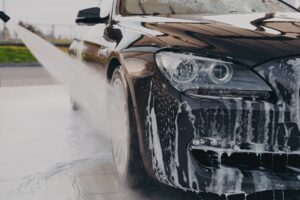
Saline aerosols and salt particles cling to paint and seek out pinholes or edges, where they speed electrochemical corrosion on metal substrates and degrade clearcoats. Around marinas, waterfront homes, and coastal parking, salt load is essentially constant.
Rinse cycles from rain can actually leave salts trapped and concentrated in seams and trim. NSB’s Paint Killers: Early salt build-up that undercuts your clearcoat and leads to permanent paint adhesion loss if not stopped.
NSB Paint Killers Ceramic coatings act as a chemical and physical barrier, decreasing salt exposure to clearcoat and metal, inhibiting corrosion and increasing service life.
Abrasive Beach Sand
Almost like sandpaper, fine sand acts like grit and creates thousands of micro-scratches that scatter light and dull gloss. Sand is ground into soles of shoes, flung from beach access roads and lofted by coastal winds, so even quick jaunts raise abrasion risk.
The ceramic coatings cure to a harder, smoother surface that resists the sand’s cutting action and decreases how much contamination embeds into the paint. For vehicles parked on sandy lots or driven along shoreline roads, it’s especially important to coat the hood, bumper, mirrors and lower doors.
Intense UV Rays
Florida’s UV accelerates paint oxidation, which leads to color fade, chalking and clearcoat failure, particularly on roofs and hoods parked under the sun. Unshaded outdoor vehicles lose gloss and color depth more quickly, which damages their appearance and resale value.
The ceramic coatings with UV blockers absorb or reflect dangerous wavelengths, preventing them from breaking down your pigment and gloss much longer than traditional waxes.
Lovebug Season
Lovebug residue is acidic and will rapidly etch clearcoat if permitted to bake on in the sun. Swarms during particular seasons increase the rate of impact on leading edge surfaces.
Fast-erasing is the secret, and paints do drop or float when wiped, minimizing dwell time. A good shield reduces the probability of staining and makes surface washes easier, which is a godsend during bug season for NSB motorists.
Choosing Your Shield
Deciding on your shield in New Smyrna Beach vehicles needs some transparent standards related to your local situation. Coastal salt, airborne sand, intense UV, and frequent rain create different demands than inland driving. Here are targeted points to consider when deciding between the best ceramic coatings NSB and PPF.
Coating Durability
Contrast anticipated lifespan under coastal tension by examining lab and field evidence. Most pro-grade ceramic coatings advertise five to ten years of tough hydrophobic and barrier performance, while entry-level or DIY kits tend to run for six to twenty-four months.
Paint protection film can add an additional seven to ten years of physical abrasion protection, particularly on high impact zones such as bumpers and rockers. Daily salt and sand exposure cuts longevity. Coatings rated for marine or salt-spray resistance fare best.
For street parkers who wash less and ferry commuters, select shields proven resilient against chloride corrosion and silica abrasion. Pro applications versus DIY stuff. Technicians perform paint correction, then lay down multi-layer systems that cure more evenly, resulting in longer-lasting protection than owner-applied sprays.
Regular washing and parking outside decreases its life, so look for one that maintains chemistry even after multiple wash cycles and apply ceramic boosters if advised. Match protection level to lifestyle: a weekend beach cruiser needs different armor than a daily work truck. Think PPF on high-wear areas with a ceramic top layer for maximum durability.
Gloss Enhancement
Top-of-the-line ceramic coatings employ high-refractive-index polymers to intensify depth and clarity of color, creating an intensely saturated wet appearance that reads as a high gloss finish on darker paints. This gloss isn’t merely cosmetic; it supports water-beading and soiling resistance, which comes in handy when salt and sand cling to surfaces.
I’ve found that gloss retention is important for resale and pride of ownership, especially in coastal climates where UV and salt quickly dull a finish. Coatings with leveling chemistry can fill micro-etches and revive color hue on sun-faded panels, delivering a near-showroom gloss for SUVs and luxury cars.
The aesthetic advantage is more for owners seeking a uniform, low-maintenance finish despite beach exposure. Match the coating’s look profile. Matte-friendly formulas are available if high gloss is not required.
Chemical Resistance
Chemical-resistant systems prevent salt spray, bird droppings, bug acid, and industrial pollutants that typically plague New Smyrna Beach vehicles. Opt for stains that are tested against potent cleaners and everyday environmental acids. Seek out third-party testing data demonstrating resistance to staining and etching.
Resistance keeps your shield from being stained and discolored by common coastal aggressors and discourages the harsh cleaning that can remove protection. Others need a seasonal inspection, or maybe a maintenance topper reapplied, to keep chemistry intact. Some have embedded permanence that requires only occasional cleansing.
Opt for shieldings and PPFs tested for Florida’s UV index and marine air. Make sure it ‘matches’ your vehicle make and model. Some substrates and aftermarket paints have different reactions, and installers should always test adhesion and finish results prior to application.
Numbered Comparison List
- Durability: Pro multi-layer ceramic lasts 5 to 10 years, DIY sprays last 6 to 24 months, and PPF on impact zones lasts 7 to 10 years. Select based on exposure and parking habits.
- Gloss — High-refractive-index ceramic provides deep shine and color depth. Matte or semi fit various styling requirements.
- Chemical Resistance — Marine-grade coatings resist salt, bird acid and cleaners. Make your product selections with Florida-specific testing and maintenance programs.
The Application Process
We start the application process by closely inspecting the vehicle to ascertain paint condition, areas susceptible to coastal wear, and the appropriate level of protection. Typically, a sit-down with the customer occurs to go over objectives, coverage, which includes full front, partial, or full-vehicle, and schedule timing that steers clear of New Smyrna Beach’s notorious rain or humidity.
This up-front step makes sure installers suggest one of the best ceramic coatings in NSB that fits the vehicle’s needs and the salt-and-sand exposure.
Decontamination
Clay decontamination or clay-alternative bars eliminate embedded contaminants that an outer wash can’t lift. Salt spray, beach sand, tree sap, and brake dust get in clearcoat and must be removed so coatings bond well.
If there is still contamination, a coating is resting on a compromised layer, and it will come off early! Light paint decontamination is a part of any full pro-grade exterior wash service. This step is fast but alters ceramic layer adherence and performance.
Paint Correction
Paint correction repairs swirl marks, micro-scratches and oxidation, bringing back the color depth and gloss that ceramic coatings seal in. For heavy coastal wear or previous coatings, additional passes or more aggressive correction may be necessary.
Utilize professional-grade compounds, backing plates, and dual-action or rotary polishers to regulate heat and eliminate defects without sanding through clearcoat. Paint correction is not only about looks, but about making sure the coating provides maximum durability and optical clarity.
Coating Installation
Application covers all exterior surfaces: hood, front bumper, fenders, mirrors, rocker panels, lower doors, and other high-impact zones that face sand and road grit. Installers administer coatings in precise doses with lint-free cloths or applicator pads and utilize panel-by-panel patterns to prevent runs or overlap marks.
Coverage is crucial too — missed patches or patchy layers don’t protect as well. Local pros accustomed to coastal conditions deploy New Smyrna Beach-appropriate products and techniques and frequently combine ceramic coatings with paint protection film on high-risk areas for added protection.
Curing Time
Ceramic coatings require a curing period to fully harden and become hydrophobic. Cure windows are temperature and humidity dependent. New Smyrna Beach’s warm humid air can extend off-gassing and tack time, so schedule around weather and garaged parking.
Keep out of water, sand, and contaminants during initial cure to avoid embedment or shiny spots. It’s a laborious and exacting process, with installers keeping an eye on conditions and sometimes even planning multi-day visits to achieve a pristine finish.
Beyond The Shine
Ceramic coatings aren’t just shine; they’re a calibrated, technical coating that inhibits chemical and physical degradation of exterior surfaces. In New Smyrna Beach, FL, cars combat salt air, sand, and intense UV rays that accelerate paint fade, oxidation, and surface etching. The best ceramic coatings in NSB are selected not by shine alone, but by proven durability, hydrophobicity, and resistance to salt and UV-driven degradation.
Below are targeted spaces in which coatings provide real, enduring worth.
Resale Value
Maintained, waxed vehicles sell for more on the beach because buyers know there is less abrasion to the finish and less likelihood of repairs. Documented paint protection is important to potential buyers. A history of professional installation and scheduled inspections indicates lower ownership costs down the road.
Coatings can help prevent paint defects and fading on high-exposure areas, such as hoods, front bumpers, fenders, mirrors, rocker panels, and lower doors, which are most affected by road spray and coastal residue. Hang on to installation receipts, warranty data, and yearly inspection tabs to demonstrate safeguarded paint history and extend perceived vehicle lifespan.
Maintenance Ease
Ceramic layers make everyday cleaning easier without constant waxing or harsh chemical cleaners. Hydrophobic and oleophobic materials repel water, salt, and sand so washes are less time-consuming and labor intensive for the busy NSB resident who parks outside or commutes along the coast.
Simple wash programs, such as the two-bucket method, pH-neutral soap, and microfibre drying, maintain the finish in tip-top condition without going to the detailer too often. Include coastal-specific tips: rinse salt off within days, focus on lower panels and wheel wells, and avoid automated brushes that trap sand.
Long-Term Savings
Coatings are pricier initially but reduce aggregate spending on detailing, repainting and paint correction over time. A resilient 9H ceramic layer holds shine and salt-shedding power for months, minimizing expensive touch-ups and corrosion repair.
Coastal exposure means more maintenance, but the right ceramic system and strategic PPF on high-impact areas reduce total lifecycle costs. Book yearly tune-ups for coating health and wear-spot snuffing.
- Additional advantages beyond glossy finish:
- UV filtering to slow oxidation.
- Less chemical etching from salt spray.
- Simplifies cleaning of bird droppings and tree sap.
- More resistant to swirl marks from normal washing.
- More professional mistakes that take longer to correct.
|
Item |
Typical 5-Year Cost Without Coating |
Typical 5-Year Cost With Coating |
|---|---|---|
|
Regular detailing (6/yr) |
$2,400 |
$900 |
|
Paint correction/repaint |
$3,500 |
$800 |
|
Corrosion repair |
$1,200 |
$300 |
Finding Local Experts
Best Ceramic Coatings in New Smyrna Beach, FL (NSB) Finding local experts to begin with. Coastal exposure to salt air, high UV and fine sand alters product selection and application method. Seek out providers that understand NSB microclimates and can demonstrate local job photos. That experience directly mitigates long-term paint risk.
Proven Experience
Select providers with proven installs of ceramic coatings and PPF, particularly on cars being driven in close proximity to the beach. Years in service count; it indicates repeatable results and an expertise wrangling salt-impacted clear coats. I’m talking anywhere that has these words in their reviews: salt, storms or sand abrasion.
Ask to see before-and-after photos taken in New Smyrna Beach conditions! Veteran pros will tell you how beach driving accelerates oxidation and suggest beefier hydrophobic coatings or thicker PPF on lower panels. Mobile detailers with experience in NSB are a godsend for busy owners. Most are able to knock out a mobile ceramic detail in approximately 2 to 3 hours.
Time increases with paint correction needs. Anticipate vivid tales of enduring. Some of the coatings they offer boast 5 to 7 years of coverage if kept up.
Proper Facility
An indoor, controlled facility counts when it comes to uniform results and curing. Wind and sand can ruin an application, so a bay indoors protects a lot of the work from airborne grit and humidity fluctuations common to coastal Florida. Confirm the provider has a secure, clean area and climate control or at least sufficient dehumidification to handle manufacturer cure times.
We’ve found that shops that specialize in both ceramic coatings and paint protection film offer the most holistic solutions, as PPF frequently requires different tools and working space for proper edge sealing. If the installer provides both shop service and mobile, go to the shop for full corrections and film installs, and mobile for regular maintenance or small ceramic top-ups.
Warranty Details
Ask for written warranty terms and read them carefully for exclusions related to coastal exposure. Good warranties cover defects, premature fading, and environmental damage but will detail required maintenance. In NSB, that usually involves rinsing salt off regularly, using pH-neutral soap, and having a professional rinse and inspection every 6 to 12 months to keep coverage valid.
Warranties differ by product quality and installer confidence, with longer terms typically signifying greater cost and superior materials and workmanship. Inquire if warranty work must be sent back to the original shop and if mobile inspections are included.
Confirm pricing models up front. Some shops charge by the length of the vehicle, such as $8 per foot, while luxury suites or full packages can run $189.99 and up. Price often correlates with warranty coverage and level of finish.
Conclusion
Ceramic coating provides hard, enduring protection for vehicles in New Smyrna Beach. Coatings reduce UV fade, road grime, salt spray, and bird droppings. Local NSB shops use step-by-step prep and heat-cure methods that lock finish and make washes quicker. Select a shop that checks paint, displays previous work, and provides transparent warranty information. For daily drivers, a mid-grade 5 to 7 year product delivers strong value. For your show cars, a 9 to 10 year pro coating with annual maintenance delivers maximum gloss and effortless cleaning. For example, a commuter in NSB swapped weekly clay bars for monthly rinses, saved time, and kept color bright through summer. Schedule a consultation with a reputable local detailer and receive a written plan and price.
Frequently Asked Questions
What is ceramic coating and how does it protect my car in New Smyrna Beach?
A ceramic coating is a liquid polymer which bonds to paint. It provides chemical resistance, UV defense and makes cleaning simpler, crucial for NSB’s salty breeze, sun, and sand. It resists oxidation and fading.
How long do ceramic coatings last in coastal Florida?
Top end pro coatings go three to seven years. Top-tier ceramic or hybrid coatings have lifespans of seven or more years when well maintained. Lifespan varies based on product, preparation, and local salt and sun exposure.
Should I choose a DIY kit or professional installation in NSB?
Opt for a coast car pro. Specialists do proper paint correction, prep, and even layers. This minimizes antigen traps and enhances longevity in salty, sunny NSB.
How do I maintain a coated car near the beach?
Wash every 1-2 weeks with pH neutral shampoo. Rinse salt after beach trips. Stay away from auto brushes. Top up with a spray or maintenance detail every 3 to 6 months for optimal durability.
Does ceramic coating prevent rock chips and scratches?
No. Ceramic coating withstands small swirls and chemical etching but won’t prevent stone chips or deep gouges. Think of paint protection film for high impact zones such as the front bumper and hood.
Can ceramic coating be applied over faded or damaged paint?
No. Coating seals anything it’s on. Repair oxidation, scratches, or clearcoat damage beforehand. The right paint correction by a pro guarantees an even finish and extended protection.
How do I find a reputable ceramic coating installer in New Smyrna Beach?
Find NSB certified installers with local reviews, gallery photos, and warranty options. Inquire about prep steps, product brands, and in-person inspection. Local shops know NSB’s beach weather best.